
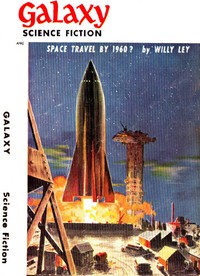
Today is Forever by Roger D. Aycock
Roger D. Aycock's 'Today is Forever' throws a fascinating curveball at a small American community. The story kicks off when a man named Branson shows up in a small town, driving a car that runs silently and seemingly without fuel. He's not an alien, but something just as puzzling: he claims to be from Earth's distant future. He offers a deal to a small group of locals—access to futuristic technology and knowledge, but with a strict condition: they must keep it a secret and use it wisely to benefit humanity slowly, without causing panic or disruption.
The Story
The plot follows this small band of characters—a doctor, a businessman, a mechanic—as they grapple with Branson's gift. They start making small miracles: curing diseases, creating new materials, solving energy problems. But as you'd expect, keeping a world-changing secret is hard. Suspicion grows, government agents start sniffing around, and the group begins to fracture under the pressure. Some want to share the technology faster to help more people immediately. Others fear moving too quickly will lead to disaster. The core of the story is this internal struggle, set against the rising threat of outside forces who want to seize the technology for power or profit. It's a tense race between the group's ideals and the world's hunger for a quick fix.
Why You Should Read It
What really hooked me was how human the story feels. This isn't a cold tech manual. Aycock makes you care about these people. They're not genius scientists or chosen heroes; they're folks from next door suddenly holding the keys to the future. Their arguments, their fears, their moments of wonder—it all rings true. The book asks big questions in a very personal way. What does 'progress' really mean? Can humanity be trusted with a shortcut to a better world? The tension comes less from action scenes and more from the quiet, desperate conversations in living rooms and garages as these characters face impossible choices.
Final Verdict
'Today is Forever' is perfect for readers who enjoy classic science fiction that focuses on ideas and characters over laser battles. If you like the thoughtful, 'what-if' stories of authors like Clifford D. Simak or the ethical dilemmas in early Michael Crichton, you'll feel right at home here. It's also a great pick for anyone who believes the most interesting stories aren't about saving the galaxy, but about regular people trying to do the right thing when the rules no longer apply. Just be warned: you'll probably spend the next few days looking at everyday problems and thinking, 'What would Branson's gadgetry do about this?'
This historical work is free of copyright protections. Knowledge should be free and accessible.
Robert Harris
1 month agoI decided to give this a try based on a colleague's recommendation, the logic behind each conclusion is easy to follow and verify. A rare gem in a sea of mediocre content.
Christopher Williams
11 months agoIt took me a while to process the complex ideas here, but the chapter on advanced strategies offers insights I haven't seen elsewhere. This has become my go-to guide for this specific topic.
James Garcia
1 year agoI was skeptical about the depth of this book at first, but the inclusion of diverse viewpoints strengthens the overall narrative. It cleared up a lot of the confusion I had previously.
Karen Williams
8 months agoMy first impression was quite positive because the step-by-step breakdown of the methodology is extremely helpful for students. Simple, effective, and authoritative – what else could you ask for?







Linda Gonzalez
2 months agoThe layout of the digital version made it easy to start immediately, the author doesn't just scratch the surface but goes into meaningful detail. Truly a masterpiece of digital educational material.