
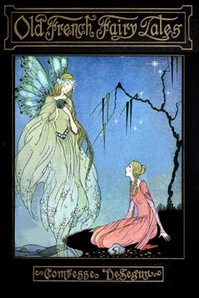
Old French Fairy Tales by comtesse de Sophie Ségur
So, what’s actually in this book? 'Old French Fairy Tales' is a collection of five longer stories. They have that classic fairy tale setup: good-hearted but unfortunate heroes, cruel step-relatives, talking animals, and powerful fairies. But Comtesse de Ségur, writing for her grandchildren, puts her own spin on things.
The Story
You’ll meet characters like Blondine, a princess lost in a magical forest who must rely on the animals she befriends. There's Princess Rosette, whose life is upended by a prophecy. In another, a poor but kind young man named Little Henry embarks on a perilous quest to save his sick mother, guided by a mysterious and demanding fairy. The plots follow a rhythm of trials and rewards. Characters face moral choices—should they be patient, tell the truth, show mercy? The magic in these tales often acts as a mirror, rewarding genuine virtue and... let's just say, creatively addressing vice. The endings are satisfying, but the journeys are filled with strange and memorable moments that stick with you.
Why You Should Read It
I love this book because it feels authentic. These aren't corporate-brand stories; they're hand-crafted. The Comtesse has a voice—sometimes stern, sometimes playful, always clear about the difference between right and wrong. The themes are timeless: kindness over cruelty, courage over fear, hard work over laziness. But it's never preachy. The weirdness is part of the charm. Why is there a fairy who lives in a lime tree? Why does a character get turned into a weathercock? You just go with it. It captures a specific, almost lost, flavor of childhood storytelling where lessons were wrapped in wild imagination.
Final Verdict
This is a perfect pick for readers who love classic folklore but want to step off the beaten path of Grimm and Andersen. It's great for parents looking for rich read-aloud stories with substance (though maybe preview a few of the sterner consequences!). Fans of history will appreciate the glimpse into 19th-century French culture and values. Honestly, it's for anyone who believes fairy tales should have a little dirt under their nails and a lot of heart. It's a charming, sometimes startling, and utterly unique window into a world of old magic.
You are viewing a work that belongs to the global public domain. It is available for public use and education.
Carol Lopez
1 year agoSimply put, the arguments are well-supported by credible references. Definitely a 5-star read.
Dorothy Garcia
1 year agoCitation worthy content.






Amanda Flores
1 year agoVery helpful, thanks.