
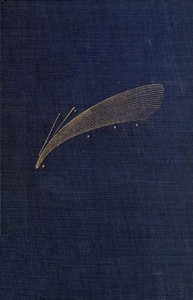
Astronomical Curiosities: Facts and Fallacies by J. Ellard Gore
Let's be clear from the start: 'Astronomical Curiosities' doesn't have a plot in the traditional sense. There's no hero's journey, unless you count the reader's journey from confusion to clarity. Instead, think of it as a series of short, fascinating essays. J. Ellard Gore takes common beliefs about space—things regular people in the early 1900s might have heard or read—and holds them up to the light of actual science.
The Story
Gore structures his book like a friendly debunking session. He tackles topics like 'The Moon and the Weather' (spoiler: they're not connected), explains why Mars probably doesn't have giant canals built by aliens, and clarifies the real cause of the seasons. He mixes these corrections with pure, delightful trivia: the actual color of the sun, the strangeness of variable stars, and how to recognize constellations. The 'story' is the slow peeling away of fallacy to reveal the genuine, often more amazing, truth about our universe. It's the narrative of scientific understanding winning out over rumor and myth.
Why You Should Read It
This book is a double delight. First, it's packed with solid, basic astronomy that still holds up surprisingly well. But the real magic is the historical perspective. Reading Gore is like stepping into a time machine. You see which space myths were circulating in drawing rooms and newspapers over a century ago. You also feel Gore's passion as a communicator. He wasn't writing for other scientists; he was writing for curious folks like you and me, trying to share the wonder he felt. His voice is patient, occasionally witty, and always eager to explain. It makes the science feel personal and accessible.
Final Verdict
This book is perfect for anyone with a casual interest in astronomy who enjoys a side of history. It's for the person who likes to know 'how did people used to think about this?' If you love shows that debunk myths, you'll adore this vintage version. It's also a great, non-intimidating entry point into older scientific writing. Just be ready for its age—some facts are outdated, but that's part of the fun. You get to be the modern reader who knows more than the 1909 public, while still learning from a masterful guide. A truly curious read.
No rights are reserved for this publication. Distribute this work to help spread literacy.
Sarah White
1 month agoBefore I started my latest project, I read this and the structural organization allows for quick referencing of key points. This is a solid reference for both beginners and experts.
Patricia Gonzalez
1 year agoI took detailed notes while reading through the chapters and the author’s unique perspective adds a fresh layer to the discussion. I am looking forward to the author's next publication.
Barbara Williams
10 months agoSolid information without the usual fluff.
Nancy Lee
2 years agoThis was exactly the kind of deep dive I was searching for, the emphasis on ethics and sustainability within the topic is commendable. Highly recommended for those seeking credible information.



Joseph Miller
2 years agoAs a professional in this niche, the bibliography and references suggest a high level of research and authority. I'll be recommending this to my students and colleagues alike.